
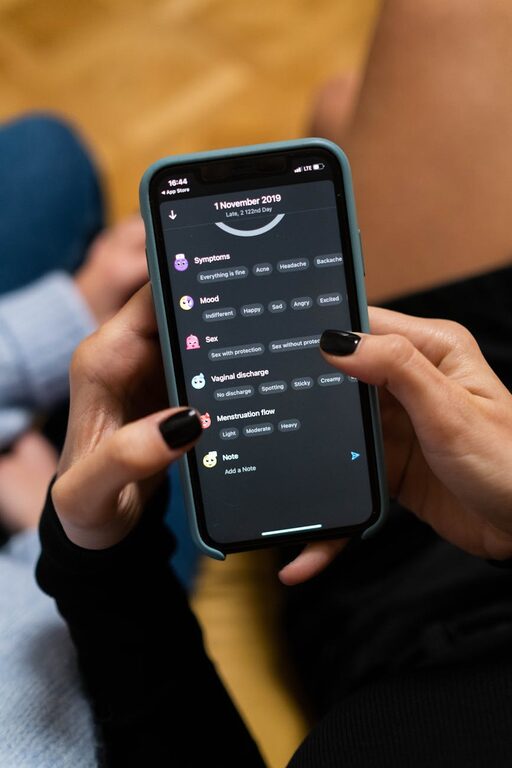
In today’s digital world, smartphones have become essential tools for communication, work, and entertainment. However, excessive or unmindful phone use can lead to stress, distraction, and even affect our well-being. Maintaining healthy phone habits helps us use technology intentionally, so it supports rather than hinders our daily lives.
In this post, we’ll explore practical ways to develop balanced phone habits, including setting boundaries, managing notifications, and improving digital mindfulness.
Why Healthy Phone Habits Matter
Modern smartphones offer countless conveniences but also pose challenges like frequent interruptions and difficulty focusing. Poor phone habits may contribute to:
– Increased anxiety and stress
– Decreased productivity
– Poor sleep quality
– Neglected personal relationships
By consciously regulating our phone use, we can protect our mental and physical health while benefiting from the positive aspects of technology.
Assess Your Current Phone Use
Before making changes, take a moment to understand how much and why you use your phone:
– Use built-in screen time trackers on iPhone/Android to monitor daily use.
– Identify which apps consume most of your time.
– Observe how phone use affects your mood, focus, and interactions with others.
This self-awareness is the first step toward meaningful change.
Tips to Develop Healthy Phone Habits
1. Set Clear Boundaries for Phone Use
Define when and where you will use your phone. Consider:
– Limiting phone use during meals and conversations.
– Avoiding phone use in bed to improve sleep.
– Setting “phone-free” zones at home, such as the dining room or bedroom.
Creating boundaries helps you stay present and reduces dependence on your device.
2. Manage Notifications Wisely
Constant notifications can fragment your attention and increase stress levels.
– Disable non-essential notifications.
– Use “Do Not Disturb” mode during focused work or rest periods.
– Customize notification settings per app based on their importance.
Reducing notification overload lets you control when to engage with your phone.
3. Schedule Phone-Free Time or Breaks
Designate regular intervals during the day when you intentionally disconnect.
– Try the “20-20-20” rule: every 20 minutes, look away from your screen for 20 seconds at something 20 feet away.
– Take short breaks from your phone to refresh your mind.
– Use apps or built-in features to schedule downtime.
Regular breaks help reduce eye strain and maintain focus.
4. Use Your Phone with Purpose
Before unlocking your phone, ask yourself why you are picking it up:
– Is it for a specific task or just boredom?
– Can the task be done offline or at a better time?
– Focus on purposeful use, such as sending a message, finding information, or scheduling.
Intentional use reduces wasted time and distractions.
5. Create a Nighttime Routine Without Phones
Exposure to screens before bed can interfere with sleep quality.
– Turn off screens at least 30–60 minutes before bedtime.
– Engage in relaxing activities like reading, journaling, or meditating.
– Use “night mode” on your phone to reduce blue light if you need to use it late.
Prioritizing sleep hygiene improves rest and overall health.
6. Practice Digital Mindfulness
Mindfulness means paying full attention to the present moment without judgment.
– Notice your phone habits and feelings when using your device.
– Avoid multitasking between phone and other activities.
– Use apps that encourage mindful use or track digital habits.
Mindfulness fosters a healthier relationship with technology.
7. Keep Your Phone Out of Reach When Necessary
Placing your phone physically out of sight can help:
– Reduce impulsive checking.
– Encourage focus on tasks or social interactions.
– Make it easier to follow the boundaries you set.
Even a few feet of separation can be surprisingly effective.
Tools and Apps to Support Healthy Phone Use
Consider using helpful tools designed to support your goals:
– Screen time trackers: iOS Screen Time, Android Digital Wellbeing
– Focus apps: Forest, Freedom, Stay Focused
– Meditation apps: Headspace, Calm
– Notification managers: App-specific settings or Do Not Disturb modes
Experiment with different tools and find what fits your lifestyle best.
Encouraging Healthy Phone Habits in Families and Teams
Promoting balanced phone use isn’t just an individual effort:
– Discuss phone habits openly with family or coworkers.
– Set shared phone-free times or zones during gatherings.
– Lead by example to encourage positive digital behaviors.
Cultivating a supportive environment makes it easier for everyone to maintain healthy habits.
Final Thoughts
Phones are powerful tools, but without boundaries and awareness, they can distract us and impact our well-being. By assessing your usage, setting clear boundaries, managing notifications, and practicing mindfulness, you can create healthier phone habits that enhance your quality of life.
Start small and adjust as needed — every positive step counts toward a balanced and mindful relationship with technology. Your phone should serve you, not the other way around!
—
Feel free to share your own tips or experiences with phone habits in the comments below!
