
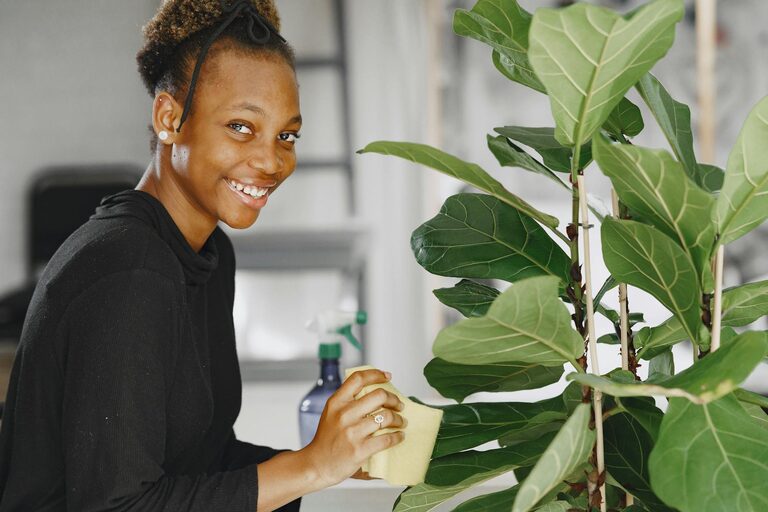
Bringing houseplants into your home adds life, color, and fresh air to your living spaces. However, keeping them healthy and thriving requires some basic knowledge and attention. Whether you’re a beginner or a seasoned plant lover, the following tips will help you care for your indoor greenery successfully.
Understanding Your Houseplants' Needs
Each plant species has its unique requirements for light, water, humidity, and temperature. Learning about your plant’s natural habitat will guide you in providing the right conditions.
Light Requirements
– Bright indirect light: Many popular houseplants like pothos, spider plants, and peace lilies prefer bright but indirect sunlight. Placing them near an east or north-facing window usually works best.
– Low light: Some plants, such as snake plants and ZZ plants, tolerate lower light areas but may grow slower.
– Direct sunlight: Succulents and cacti often need several hours of direct sunlight daily.
Evaluate your home’s lighting and choose plants accordingly, or adjust their location to meet light needs.
Watering Wisely
Watering is often the most common source of plant stress. Overwatering leads to root rot, while underwatering can cause wilting.
– Check soil moisture before watering by sticking your finger about an inch deep; if it feels dry, it’s time.
– Use pots with drainage holes to prevent water from sitting at the bottom.
– Water deeply but less frequently to encourage strong root growth.
– Adjust watering frequency with the seasons—plants generally need less water in winter.
Humidity and Temperature
Most houseplants thrive in moderate humidity (around 40-60%) and average indoor temperatures (65-75°F or 18-24°C).
– Increase humidity for plants like ferns and calatheas using a humidifier or placing a water tray nearby.
– Avoid sudden drafts, heaters, or air-conditioners that cause temperature fluctuations.
Creating a Healthy Environment
Soil and Fertilization
Healthy soil promotes strong plant growth.
– Use a high-quality potting mix suitable for your plant type.
– Repot every 1-2 years to refresh the soil and give roots space.
– Fertilize during the growing season (spring and summer) using a balanced, water-soluble fertilizer, following package directions carefully.
Cleaning and Pruning
Indoor plants collect dust which can block sunlight from reaching their leaves.
– Wipe leaves gently with a damp cloth every few weeks.
– Prune dead, yellowing, or damaged leaves to encourage new growth and prevent disease.
Pest Control
Common pests like spider mites, aphids, and scale insects can harm houseplants.
– Inspect plants regularly, especially undersides of leaves.
– If pests appear, use natural remedies such as neem oil sprays or insecticidal soap.
– Isolate affected plants to avoid spreading pests.
Tips for Long-Term Success
Proper Pot Selection
Choosing the right size and type of pot affects plant health.
– Avoid pots that are too large as they hold excess moisture.
– Use terracotta or breathable pots for plants that prefer dryer soil as they allow evaporation.
– Ensure all pots have proper drainage.
Monitor and Adjust
Plants can signal their needs through changes in leaf color, drooping, or growth patterns.
– Yellowing leaves can indicate overwatering or nutrient deficiency.
– Brown leaf tips might suggest low humidity or inconsistent watering.
– Slow growth may point to insufficient light or need for repotting.
Respond promptly to these signs by adjusting care routines.
Rotate Your Plants
Rotating plants regularly ensures all sides receive light evenly, preventing lopsided growth and encouraging balanced development.
—
By paying attention to these fundamentals—light, water, soil, and environment—you can enjoy vibrant, healthy houseplants that brighten your home for years to come. Remember, consistency and observation are key; every plant is unique and will thrive when given the right care tailored to its needs. Happy planting!
